
Predictable Navigation
Clear navigation reduces friction and increases engagement. Businesses often improve this with website design that supports business credibility.
Structured Layout Flow
Structured layouts guide attention and help users process information more easily. This aligns with website design planning for small business growth.
Reduced Friction
Removing unnecessary steps improves engagement and conversions. Businesses often support this with website design tips for better lead quality.
Why User Flow Matters
Smooth user flow improves engagement, trust, and conversion behavior. When users can navigate easily, they are more likely to complete desired actions.
This is reinforced by combining website design that helps businesses look established with digital marketing that supports long-term visibility.

Guided Attention
Design should guide users through content in a logical way.
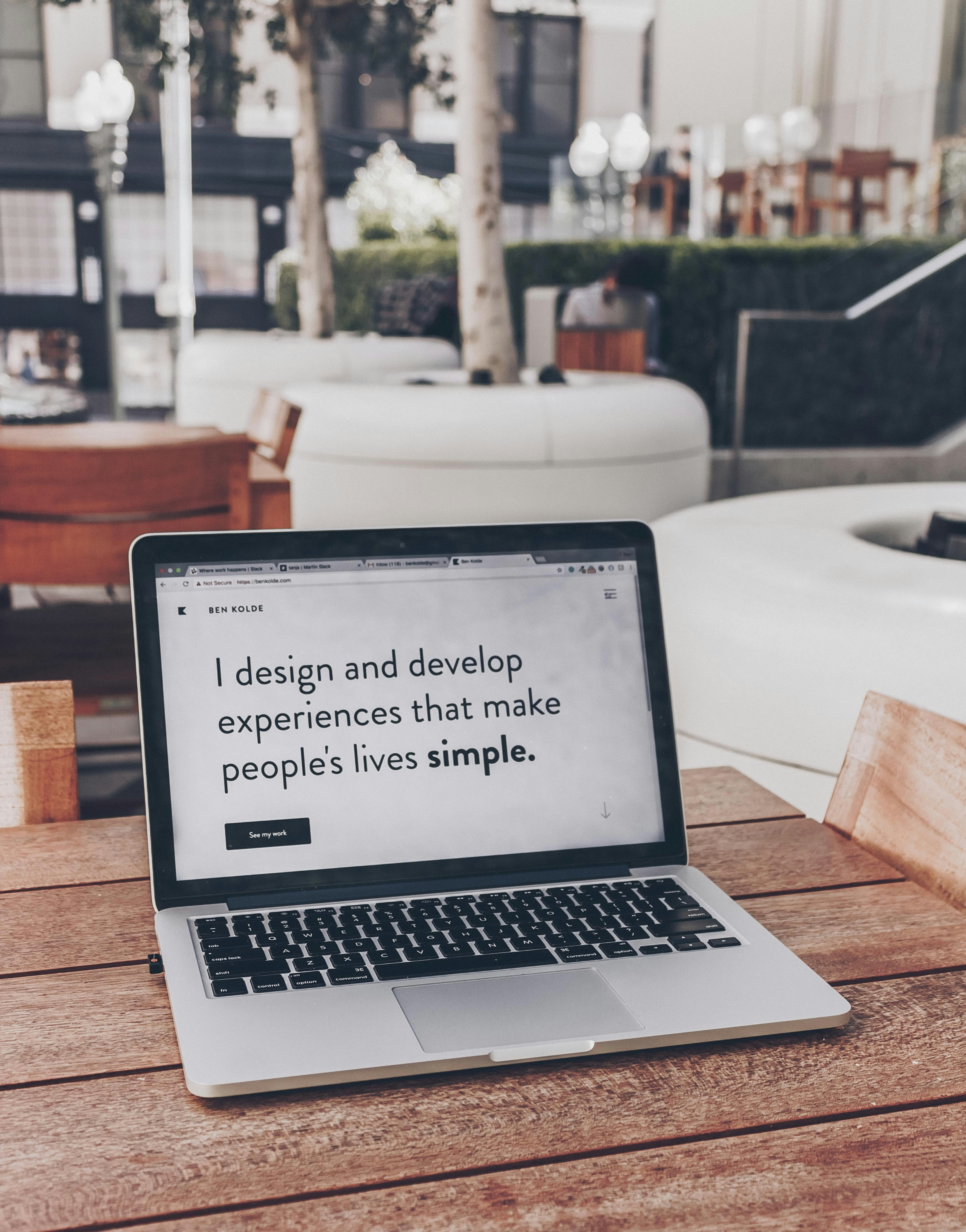
Clear Pathways
Users should always have a clear next step.

Consistent Experience
Consistency across pages improves trust and usability.
Designing for Natural Movement
Websites should feel effortless to navigate. When structure is clear, users stay engaged longer.
This is supported by modern website design for better user flow.
Balancing Simplicity and Function
Effective flow balances simplicity with functionality.
Businesses often reinforce this with website design services that support long-term growth.
Frequently Asked Questions
What is user flow?
User flow is the path users take through a website.
Why is it important?
It improves engagement and conversions.
How can it be improved?
By simplifying navigation and reducing friction.
Does it affect conversions?
Yes, smoother flow leads to better results.
Can small changes help?
Yes, even small improvements can have a big impact.
Design That Moves Users Forward
Strong user flow creates clarity, builds trust, and supports long-term growth.